

Whenever I access my casino maneki verantwoord gokken account, the first thing I notice is how effectively the spending tracker displays my financial activity. As a technical writer who prioritizes transparency, I recognize that this feature is not buried in a submenu but resides prominently on the account dashboard. The tracker offers you real-time information into your deposits, withdrawals, net losses, and total wagered amounts, renewing after every gaming session. I aim to walk you through precisely how this tool works and how you can adjust its responsible gambling controls. Whether you are new to online gaming or a veteran player, grasping these mechanisms can produce a significant difference in maintaining a healthy connection with gambling. I know from personal use that responsible gambling can feel like an abstract concept, but with tangible, visible data it becomes a daily habit. By establishing personal limits, you change the tracker from a passive document into an active guardrail that safeguards both your time and your bankroll. I have individually tested these features extensively and can attest for their trustworthiness and user-friendly design. In the upcoming sections, I will explain each limit type, show you how to activate the session timer, and explain the self-exclusion and cooling-off options available to you.
Understanding the Maneki Casino Spending Tracker
The spending tracker in your Maneki Casino account is meant to give you an honest picture of your gambling finances. Every deposit you make, every withdrawal you ask for, and every bet you make is logged and classified. I consider it particularly useful that the tracker separates net losses from total wagered amounts, because many players misunderstand the difference. Net loss is the amount you have deposited minus what you have withdrawn, while the total wagered amount includes recycled winnings that were played again. This distinction is important when you set limits later. The tracker changes in real time, so after a slot session or a few hands of blackjack, you can right away see the impact. The interface utilizes simple bar charts and numerical summaries that are easy to read on both desktop and mobile. I appreciate that Maneki Casino does not try to hide this information; it is front and center whenever you open the responsible gambling section. That transparency fosters trust and inspires honest self-reflection.
Beyond simple record-keeping, I believe the real power of the spending tracker resides in its ability to change behavior over time. When you see a weekly summary of your activity, patterns appear that you might otherwise miss. For example, you might detect that your deposit frequency increases late at night or after a stressful day. Armed with that awareness, you can make proactive adjustments, such as setting a session time limit or a loss limit for those specific periods. The tracker also allows you to compare current activity with past weeks or months, giving you a historical perspective on your gambling habits. I advise every player to spend a few minutes each week reviewing the tracker data with an honest eye. Ask yourself whether the numbers align with your entertainment budget and whether gambling is still fun. This reflective practice, combined with the customizable limits I will describe next, converts the tracker into a comprehensive self-management system. It is not about judgment; it is about information that supports healthier choices.
Setting Deposit Limits to Regulate Your Budget
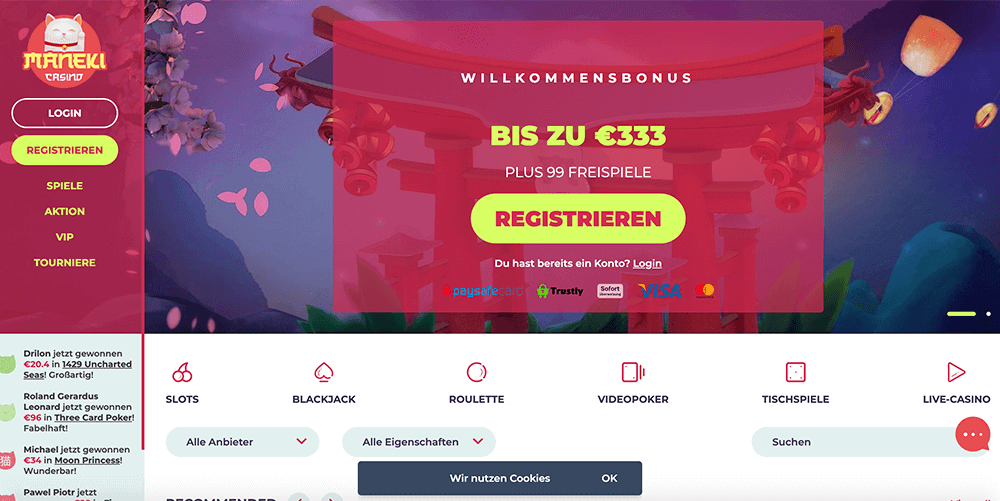
Deposit limits are the primary safeguard in responsible gambling, and the Maneki Casino spending tracker makes establishing them straightforward. From your account settings, you can define a maximum amount you are allowed to deposit within a day, a week, or a month. I recommend starting with a weekly limit that aligns with your disposable entertainment budget, then adjusting if necessary. When you configure a new limit, the reduction takes effect immediately, so you cannot exceed it during a session. If you later opt to raise the limit, there is a mandatory cooling-off period of twenty-four hours before the increase becomes active. This delay is deliberate; it prevents impulse decisions made in the thick of a losing streak. The tracker visually presents your remaining deposit capacity, so you always know exactly where you stand. I find this real-time feedback loop incredibly helpful for staying disciplined. This is a safeguard that I find remarkably effective at curbing tilt-induced overspending.
What I value most about deposit limits is how they redefine the gambling experience from a spending free-for-all into a planned leisure activity. By committing to a pre-set ceiling, you treat your casino play like any other form of paid entertainment, such as a concert ticket or a dinner out. The tracker strengthens this mindset by showing you how much of your weekly allowance remains. I have seen many players mention that simply seeing the numbers helped them withstand the urge to deposit more when that amount hit zero. It is one thing to tell yourself you will stop after spending a certain amount; it is another to have a system that physically blocks you from going further. The deposit limit interacts cleanly with the other limit types, meaning you can combine protections. For instance, you might set a modest daily deposit limit alongside a larger weekly limit to prevent binge sessions while still allowing flexibility over the weekend.
Employing Loss Limits and Wagering Limits Effectively
Loss limits and wagering limits are frequently confused, but the spending tracker helps you tell apart them distinctly. A loss limit limits your net losses over a specified time frame. Once your net loss attains that threshold, the system prevents further play until the next period starts. For example, if you establish a daily loss limit of fifty euros and you forfeit that amount, the casino blocks you from putting additional bets for the rest of the day. This is distinct from a deposit limit because you could win, withdraw, and then deposit again, but a loss limit looks only at the net negative outcome. The tracker shows your current net loss figure next to the limit, so you continually see a warning when you near it. I advise picking a loss limit that constitutes an amount you are content losing without affecting your financial obligations, and examining it monthly.
Wagering limits, on the other hand, restrict the total amount of money you can wager, no matter of wins or losses. This is a effective tool if you tend to chase losses by raising bet sizes, because it prevents further wagering once the cumulative turnover hits your cap. I find that merging a wagering limit with a loss limit provides overlapping protection. For instance, you could establish a weekly wagering limit of two hundred euros and a weekly loss limit of one hundred euros. Even if you are earning, the wagering limit guarantees you do not revolve your balance indefinitely, which can lengthen play sessions beyond what is healthy. The spending tracker displays both your remaining loss capacity and your remaining wagering allowance side by side, making it simple to assess your status. I motivate you to experiment these limits during low-stakes play to understand how they appear before committing to tighter constraints.
Reality Checks and Self-Assessment Tools
Reality check features are subtle yet powerful nudges built into the spending tracker. At intervals you set, a full-screen message shows up, telling you about the time you have spent in the current session and the amount you have deposited and lost so far. You cannot dismiss this message instantly; it requires an active click to acknowledge and continue. This forced pause interrupts the automaticity of continuous play and gives you a chance to assess whether you are still in control. I advise setting your first reality check at thirty minutes and then every fifteen minutes thereafter. The tracker also provides direct access to a self-assessment questionnaire grounded in recognized problem gambling screening tools. Answering a few simple questions can help you think about your habits objectively. I believe self-assessment is a cornerstone of responsible gambling because it transforms vague feelings of concern into concrete data. If your responses suggest a potential issue, the tracker then proposes appropriate actions, such as setting stricter limits or considering a cooling-off period. No one else sees your assessment results, so you can be completely honest with yourself without fear of judgment.
Managing Session Time via the Tracker’s Timer
Time can pass by unnoticed when you are engrossed in a game, which is why the Maneki Casino spending tracker includes a session timer. You can configure a maximum session length in minutes, and once that period elapses, the system will either present a prominent reminder or, if you have chosen the stricter option, log you out automatically. I suggest starting with a session limit of sixty or ninety minutes and observing how it affects your experience. The timer runs in the background and is visible in the tracker dashboard, counting down your remaining session time. What I find clever is that the timer can be integrated with a reality check that pops up at multiple intervals during the session, showing you elapsed time and net spending. This dual approach guarantees you never lose track of time. If you ever feel the urge to lengthen a session beyond your limit, the forced break gives you a moment to stop and reconsider. Many players mention that the timer helped them regain a healthier balance between gaming and other daily activities. Personally, I use the timer to make sure I take a break and stretch, which has enhanced my overall enjoyment.
Taking a Break : Break and Self-Exclusion Alternatives
Sometimes the healthiest decision you can make is to take a break entirely for a while. The spending tracker offers you two effective options to do this: cooling-off and account blocking. A cooling-off period freezes your account for a duration you choose, typically ranging from one day to six weeks. During this time, you cannot access, deposit, or play, but you can still withdraw any remaining balance. I often recommend a short cooling-off when you notice yourself becoming overly preoccupied with recovering losses. Self-exclusion is a more serious commitment, preventing login for a minimum of six months up to an open-ended period. Activating self-exclusion through the tracker is easy and irreversible until the chosen duration expires. Once you submit the request, the system instantly logs you out and prevents any new account creation linked to your identity. The tracker will also opt you out from marketing communications, encouraging a clean break. I respect that Maneki Casino makes these options reachable directly from the same dashboard where you oversee your spending, because it reduces the barrier to seeking help.
Getting Professional Help and External Resources
If you at any time feel that gambling is not anymore an pleasurable pastime but a origin of stress, the spending tracker features links to professional support organizations. From the responsible gambling section of your account, you can find direct referrals to independent bodies such as GamCare, which delivers free telephone counseling and live chat services, and Gambling Therapy, a global service providing multilingual support and app-based self-help tools. I want you to know that reaching out to these organizations is a sign of strength, not weakness. Their advisors are trained to listen without judgment and help you develop a personal recovery plan. The tracker also displays local support groups and forums where you can interact with others who share similar experiences. Maneki Casino maintains partnerships with these resources to guarantee the information is always up to date. I find it reassuring that even if you have activated self-exclusion and cannot access the casino, the support links and helpline numbers remain visible on the website’s landing page for your region. That thoughtful design detail shows a genuine commitment to player wellbeing beyond mere compliance.
The Maneki Casino spending tracker is far more than a simple ledger of transactions. It is an integrated responsible gambling toolkit that enables you to set deposit, loss, and wagering limits, enforce session timers, run reality checks, and transition to cooling-off or self-exclusion when necessary. I have walked you through each of these features because I think that informed players make smarter decisions. The key is to use the tracker proactively rather than reactively. Start by reviewing your historical data, then set limits that reflect your personal boundaries, and finally, revisit those settings regularly to adjust as your life circumstances change. The accessibility of professional support resources from within the same dashboard ensures that help is never more than a few clicks away. The spending tracker is designed to keep gambling in its proper place: a form of entertainment that should never interfere with your financial stability or emotional wellbeing. I encourage you to log in and explore these tools today. They are there for your protection, and using them demonstrates self-awareness and strength.
Comments